The single decision that shapes a render more than any material or lighting choice is usually made before either of those: where the camera sits. Height and angle decide what story the image tells, and getting it wrong is the kind of mistake that only becomes obvious once the render is finished.
Aerial: context and scale
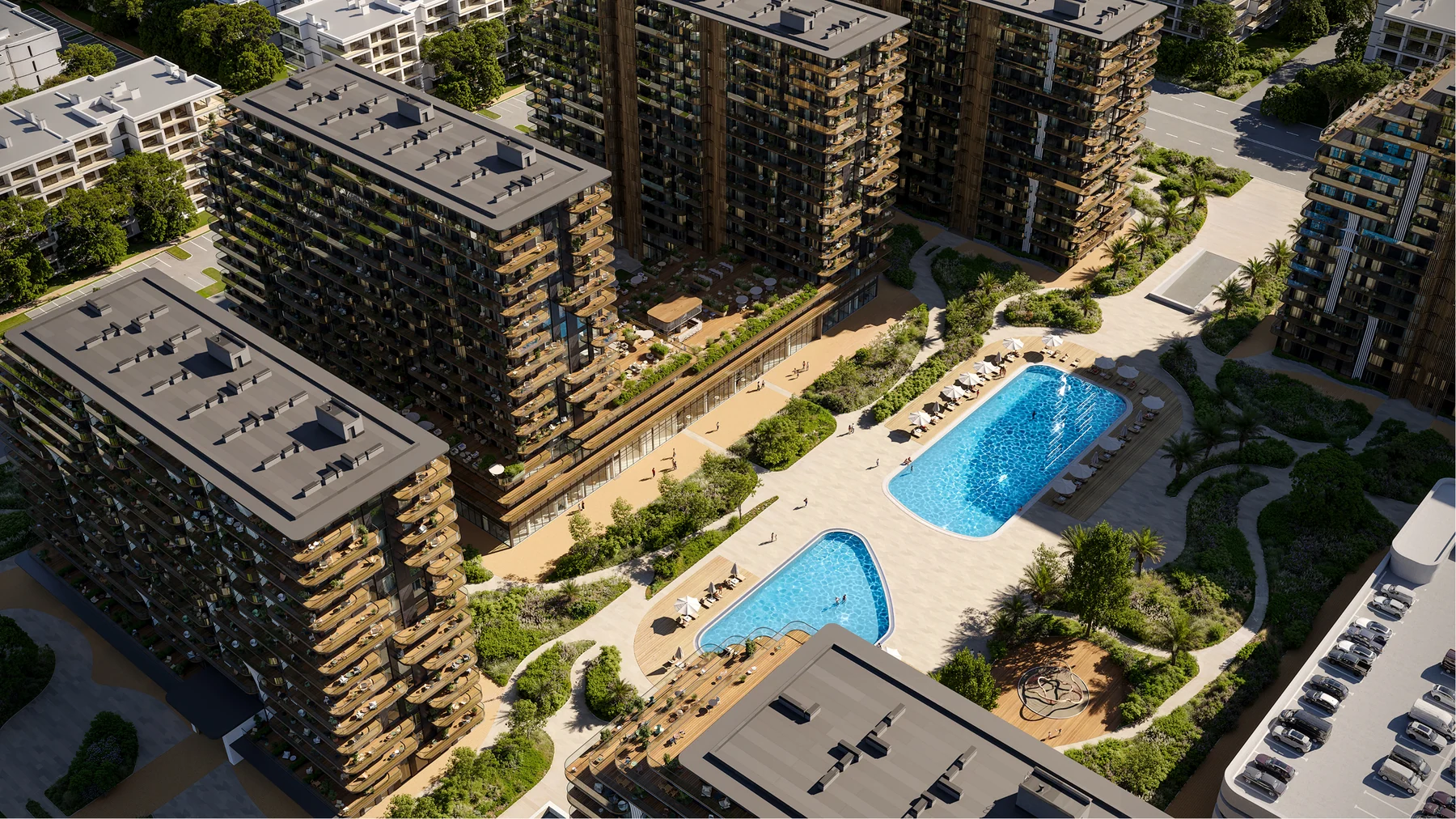
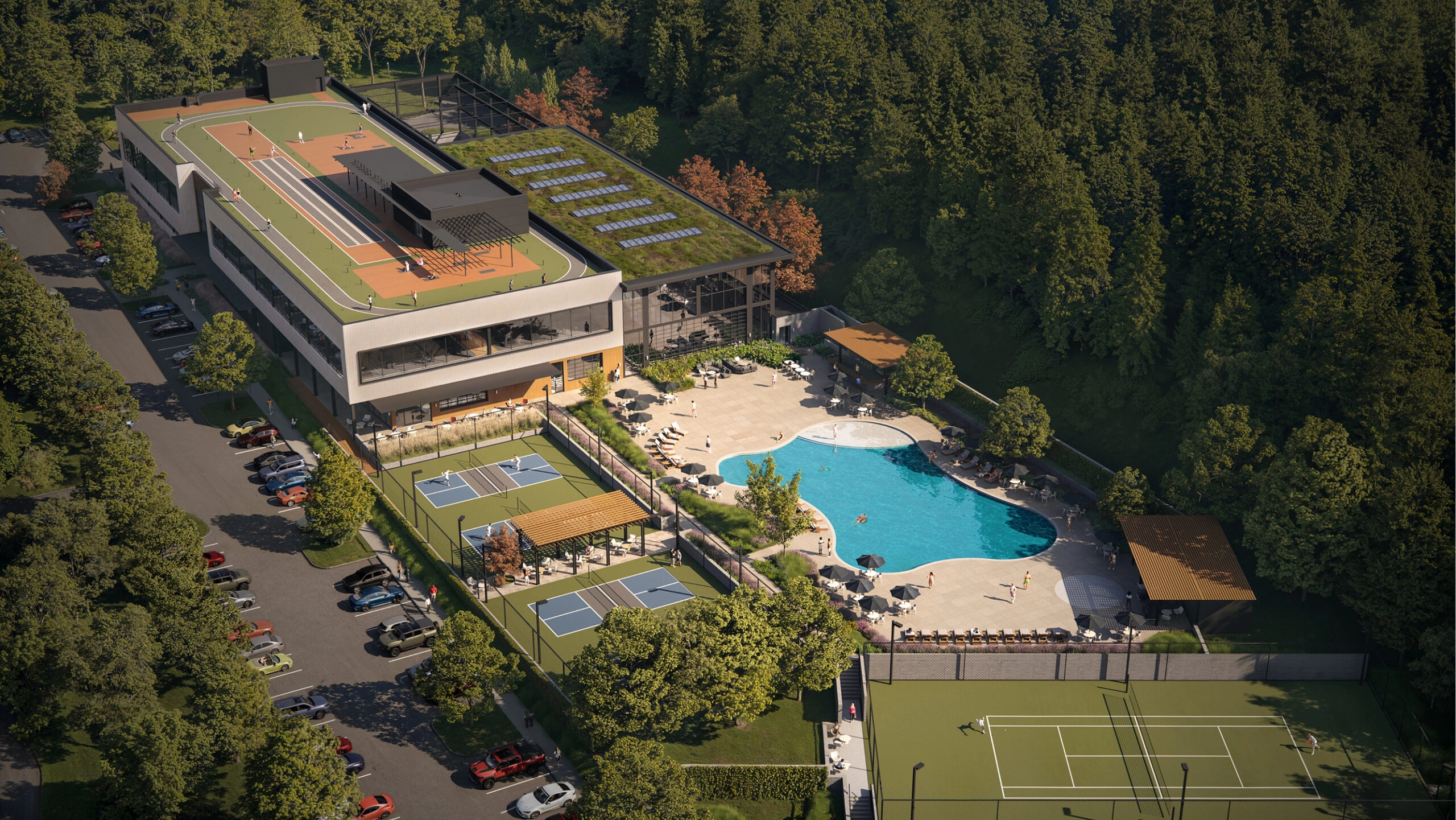
A drone-height view is the right choice when the story is about the building's relationship to its surroundings – how it sits in a masterplan, how a courtyard connects to the street grid, how a rooftop amenity reads against the skyline. It's rarely the right choice for a leasing hero shot, because it makes a building feel like a diagram rather than a place someone could stand in.
Eye level: presence and desirability
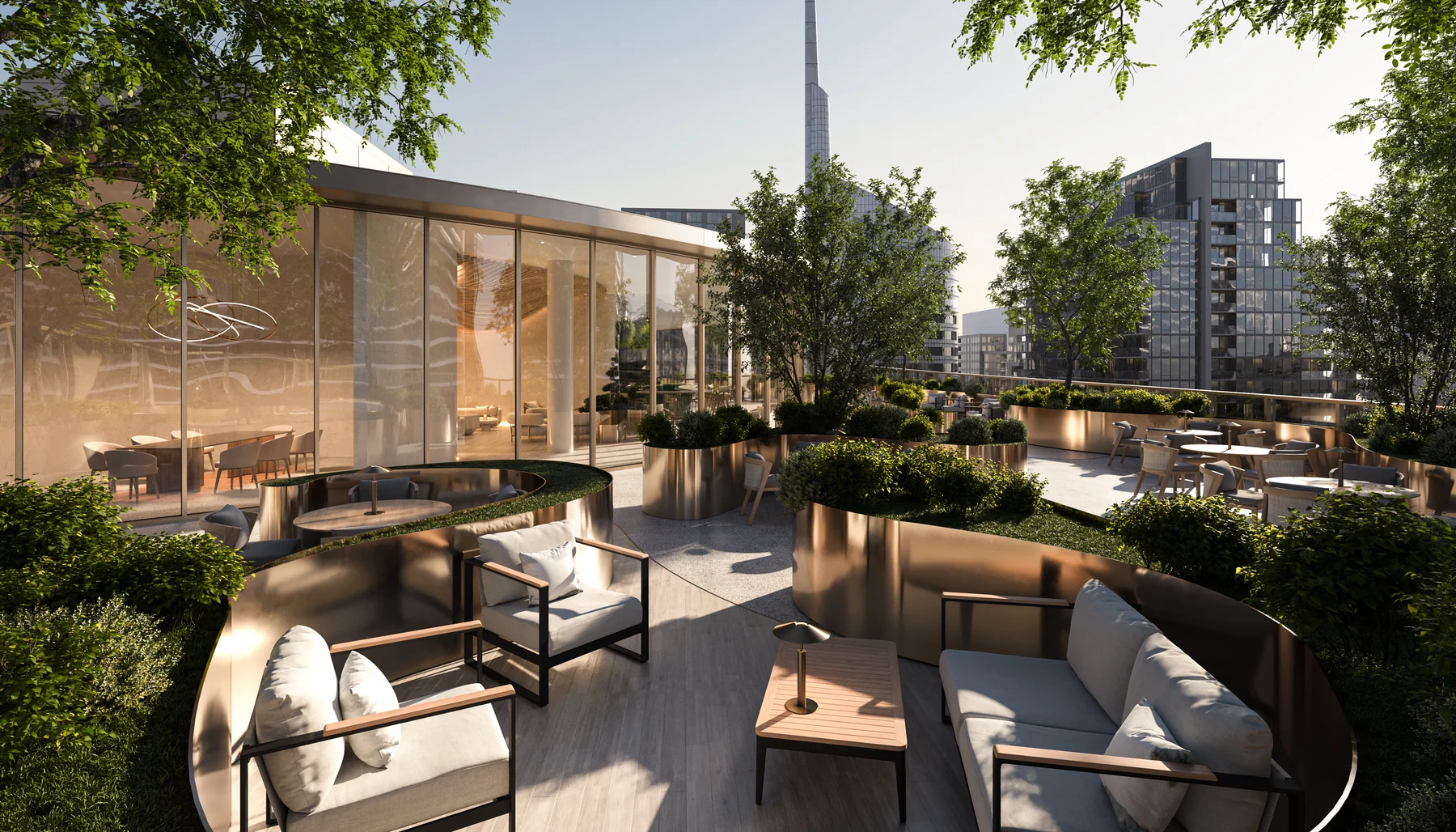
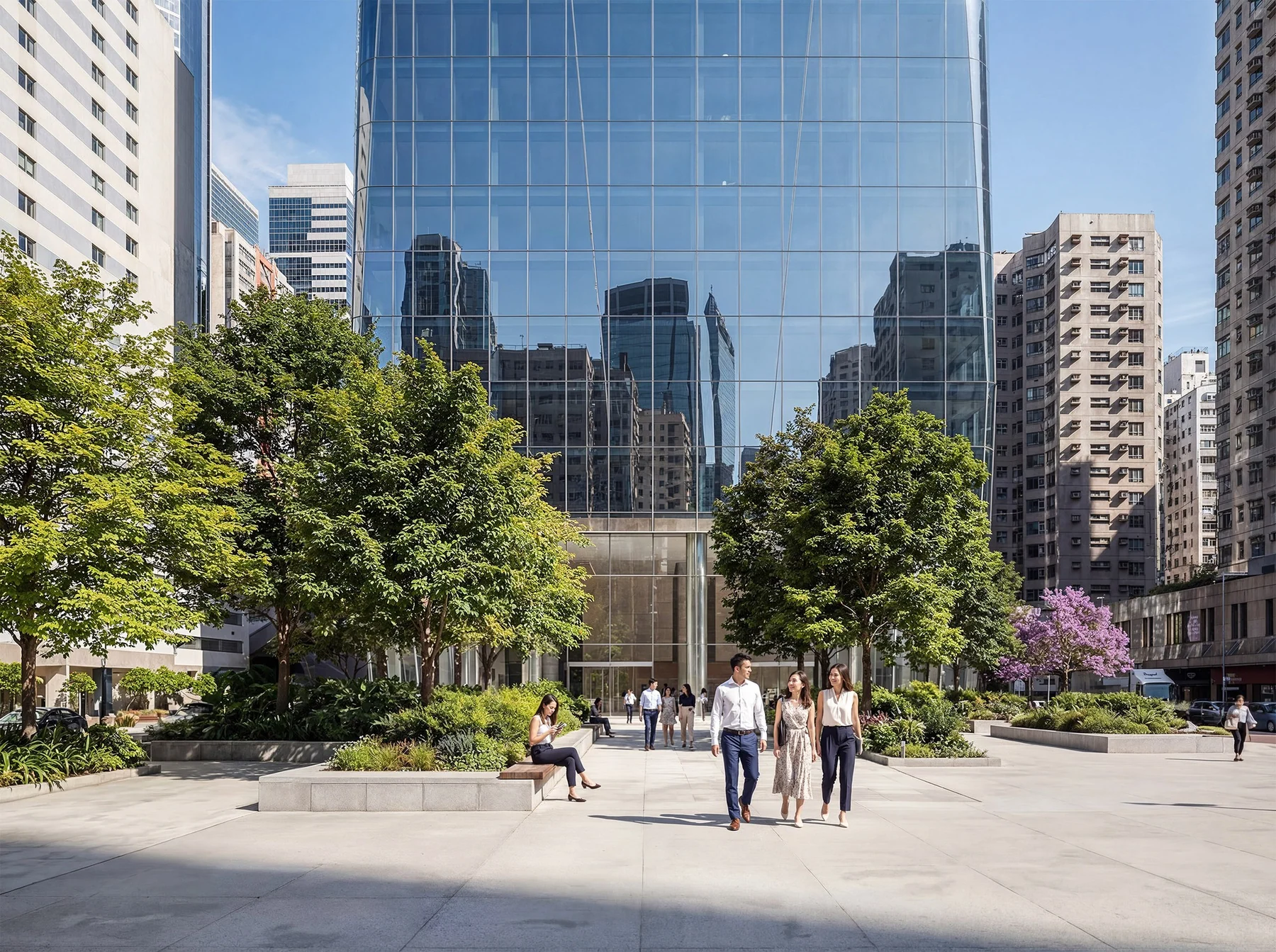
Most marketing hero shots sit close to true eye height, roughly 1.6 to 1.7 meters – because that's the height a person actually experiences the building at, and it's what makes an exterior feel inhabitable rather than illustrated. It's a harder angle to get right: too low and the building looms in a way that feels aggressive; too high and it starts drifting back toward that diagrammatic aerial feeling.
The angles in between
A slightly elevated three-quarter view – enough to show a facade turning a corner, or a podium and tower relationship – is often the best compromise for a single hero image that has to do several jobs at once: show scale, show material, and still feel like a place. It's also the angle most forgiving of a busy or unfinished streetscape, since it naturally crops out ground-level clutter.
None of these is a universal right answer – the honest process is choosing camera height based on what the image needs to communicate first, then checking that the building actually looks good from there. Sometimes it doesn't, and that's useful information about the design itself, not just the render.