Clients often ask for "renders" as a single category, priced and scheduled the same way regardless of subject. In practice, interior and exterior visualization are close to different disciplines that happen to use the same software – the technical problems, the time they take, and the way we approach them differ more than the shared name suggests.
Light behaves differently in a box
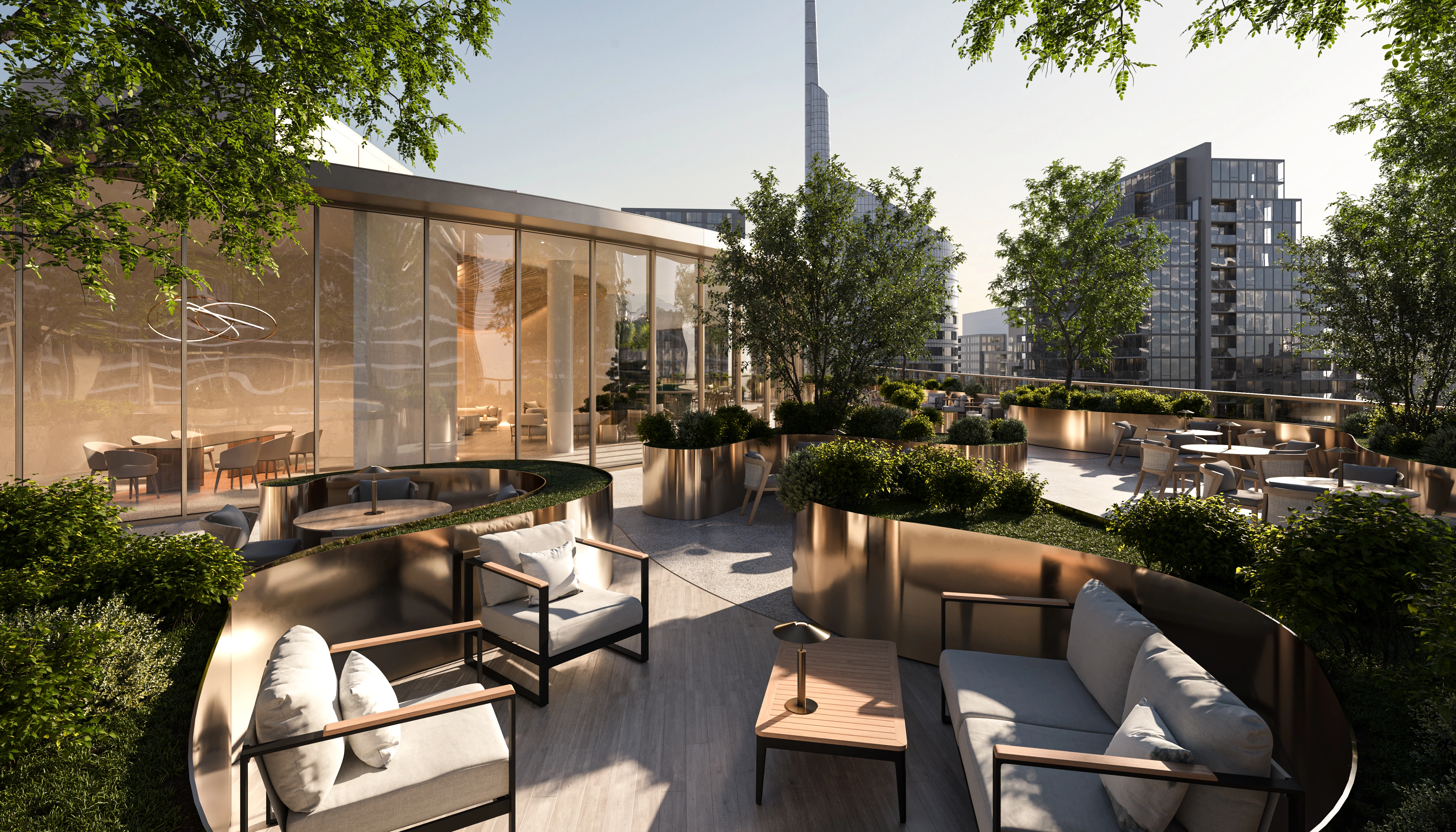
An exterior render usually has one dominant light source – the sun – plus an open sky doing most of the ambient fill. An interior render has several: daylight through specific windows, ambient room light, practical fixtures, all bouncing repeatedly off close, reflective surfaces before reaching the camera. That repeated bouncing – global illumination – is where the vast majority of interior render time goes, and where the balance between "photoreal" and "flat" or "blown out" gets decided.
Context is everything outside, staging is everything inside
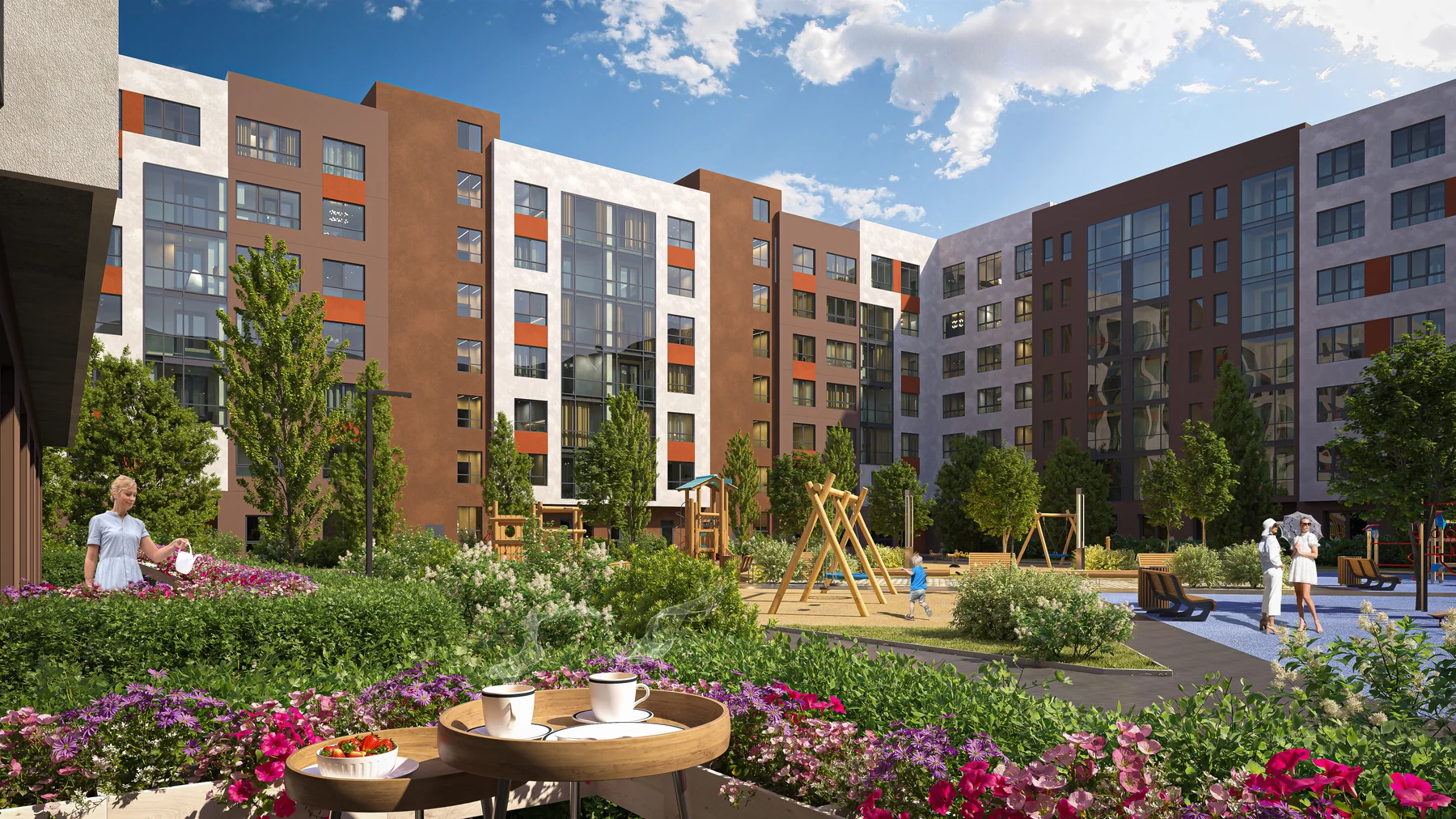
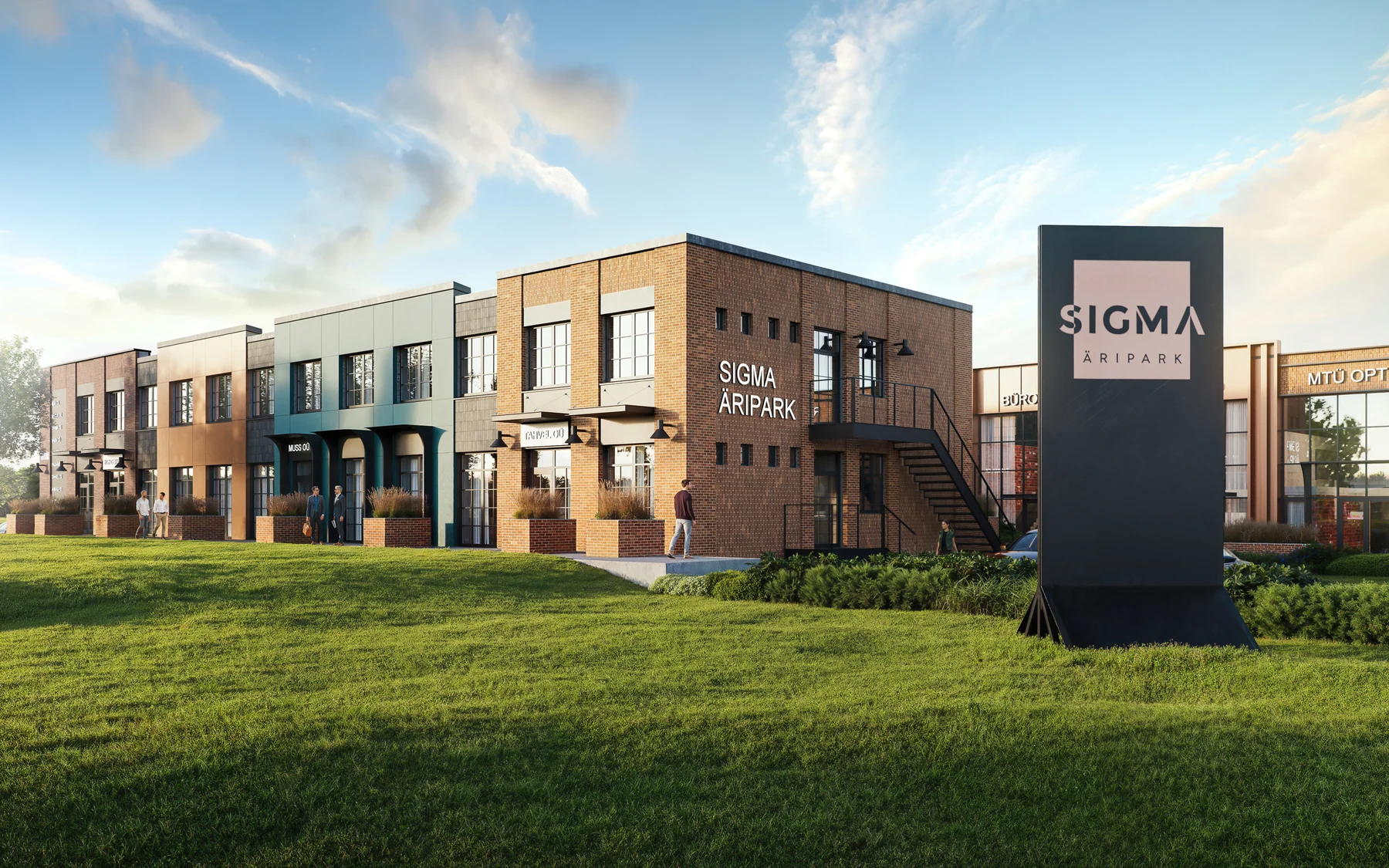
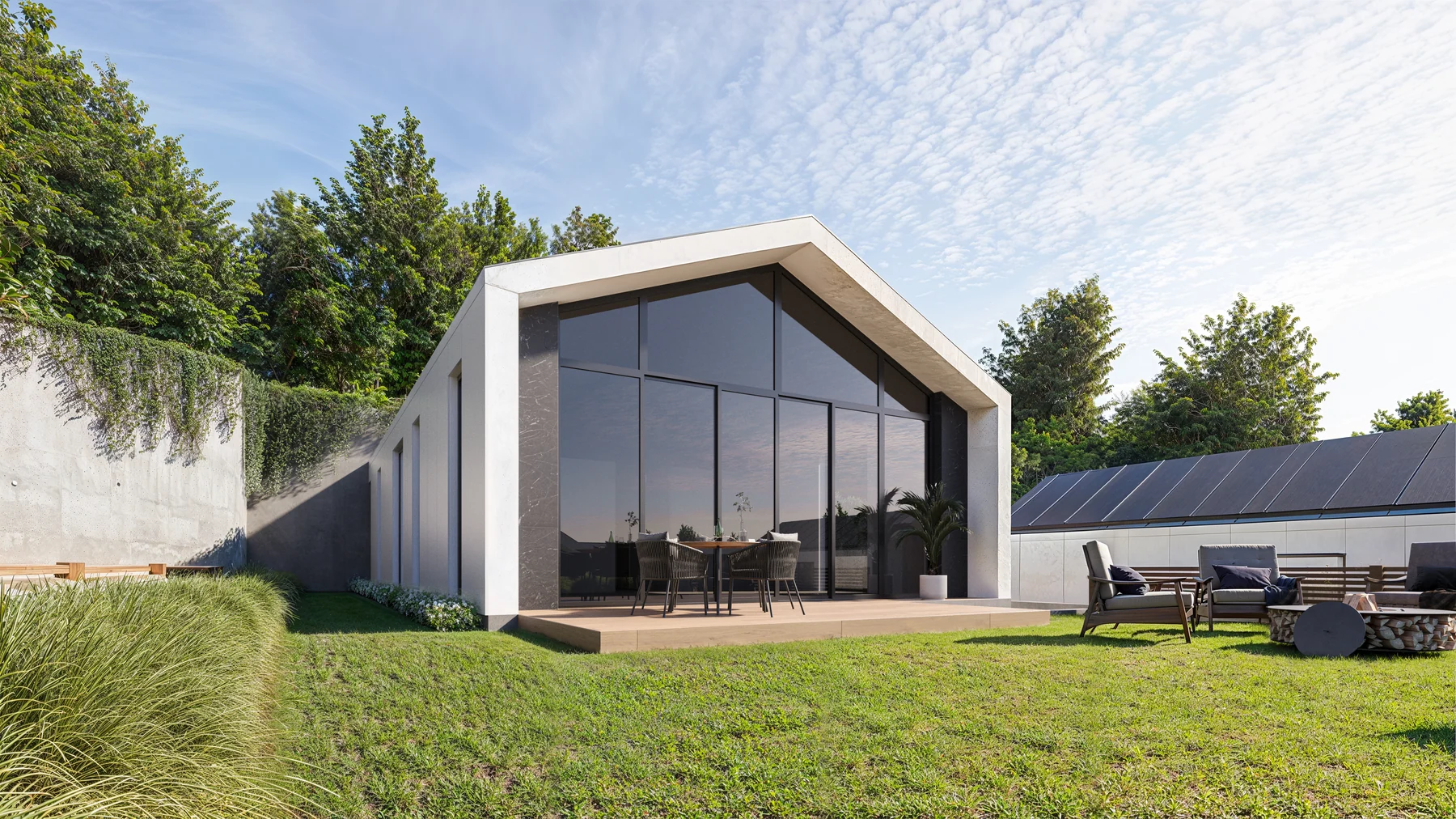
An exterior shot lives or dies on context: neighbouring buildings, landscaping, street life, sky. Get the context wrong – proportions off, materials mismatched to the site, an empty and lifeless street – and no amount of hero-building detail saves the image. An interior shot lives or dies on staging: furniture selection, styling, the small human details that make a room feel occupied rather than a showroom. The building itself is almost a backdrop to the objects and light inside it.
Camera constraints are opposite problems
Exterior renders usually have too much freedom – an infinite number of possible camera positions, which makes choosing the single most persuasive angle a genuine creative decision. Interior renders usually have too little – a real room has real walls, and a camera that would show the space best is often physically inside a wall that doesn't exist in reality. Wide-angle lensing and careful composition do a lot of work to solve a problem exterior renders rarely face.
What this means for scheduling and cost
A polished exterior hero shot and a polished interior hero shot are not interchangeable units of work, even when a price list treats them that way. Interiors typically take longer to light convincingly and require more staging decisions; exteriors typically require more context-building and more camera exploration. Knowing this going in helps set realistic expectations for a project that includes both – and helps explain why a six-image package split evenly between interior and exterior isn't six equally-sized tasks.