Short-form video and walkthrough animation have become a much bigger part of architectural marketing over the past couple of years, largely because they've become dramatically cheaper and faster to produce than they used to be. That's led a lot of clients to ask a version of the same question: should we just skip stills and go straight to a video?
Why stills aren't going anywhere
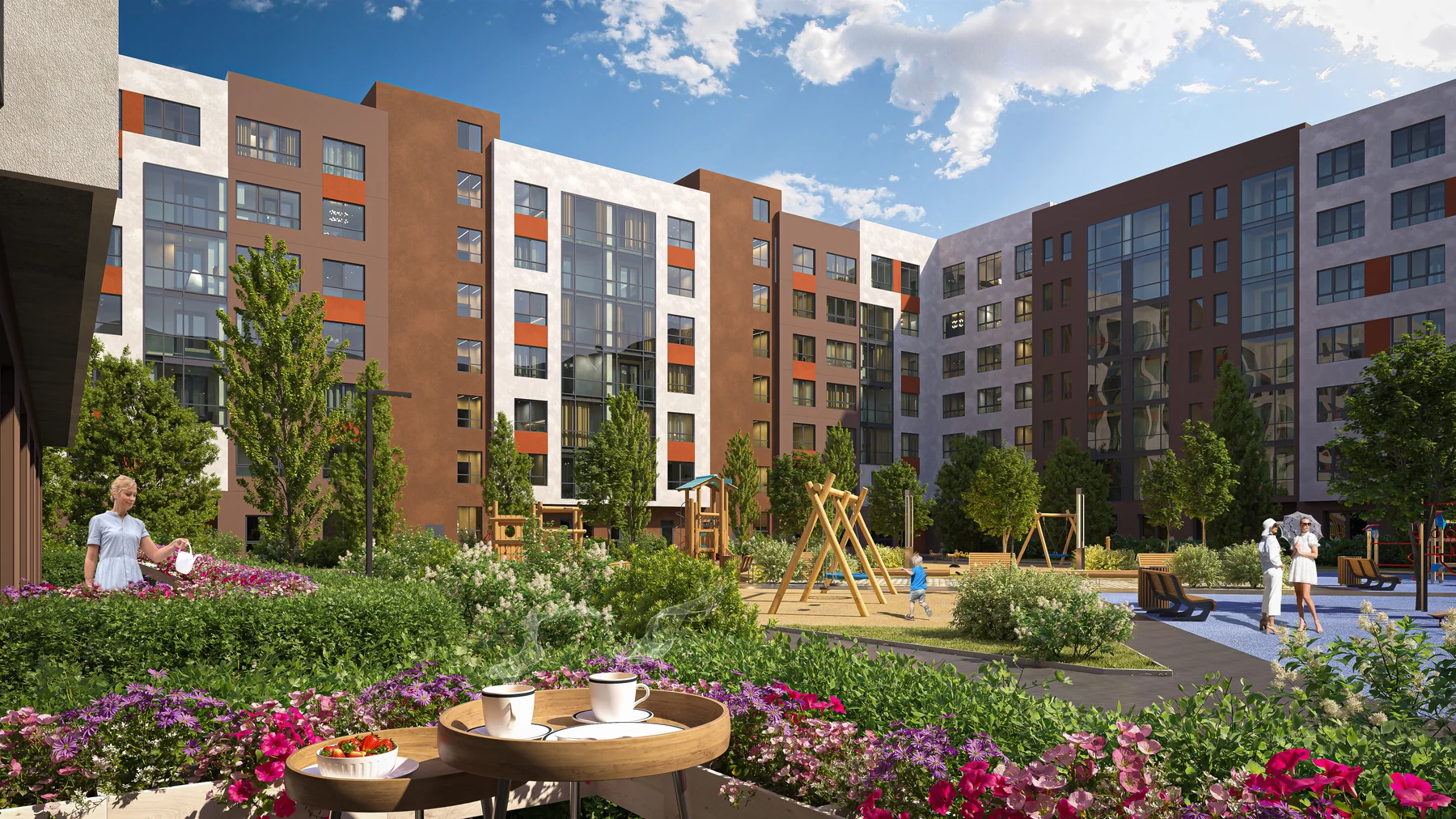
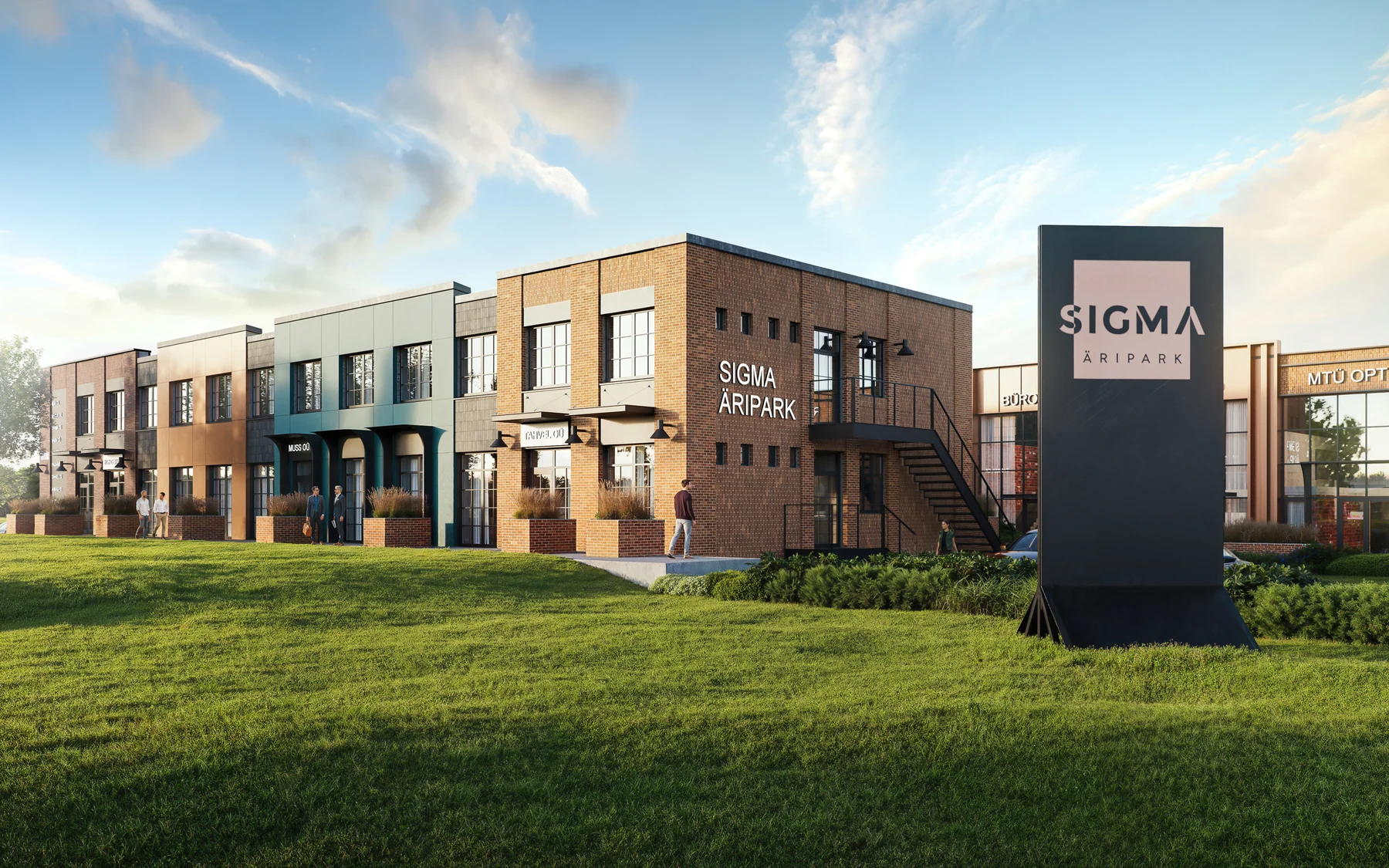
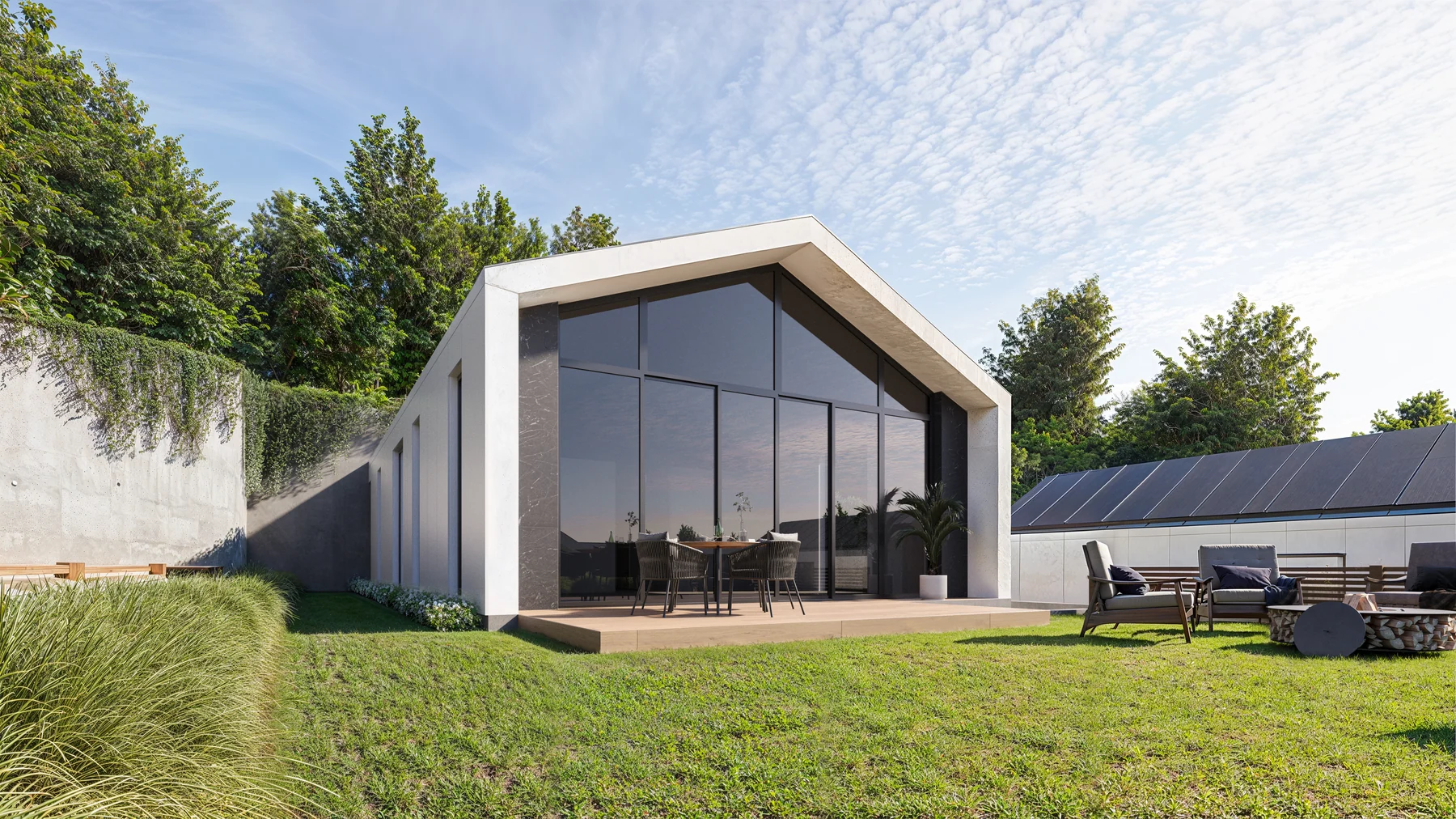
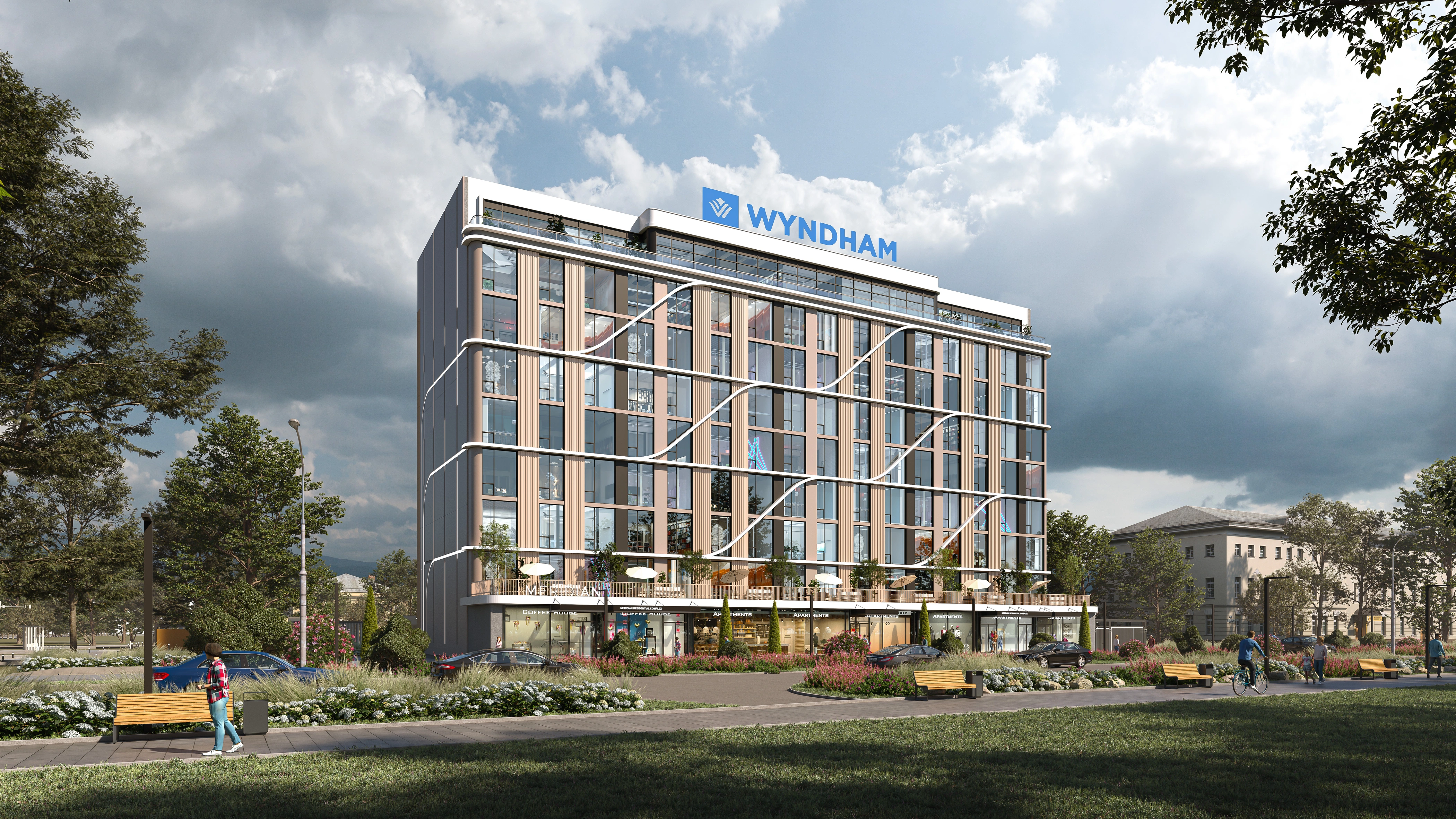
Still images remain the default deliverable for a reason: they're what planning committees expect in an approvals package, what a print brochure or building-wrap needs, and what a listing page's hero image requires. A single, carefully composed still can also do something a video can't – it can be looked at for as long as the viewer wants, paused on, screenshotted, and shared as a single static asset across channels a video file can't easily go. For formal approvals and traditional print marketing, stills are still the expected currency.
What animation actually adds
Motion earns its place when the story is about sequence or change: an arrival sequence that shows how a visitor actually experiences approaching a building, a day-to-night transition that shows a facade's lighting design, or a fly-through that communicates scale and layout better than any single frame could. It's also simply become the expected format for social platforms and digital ad placements, where a static image competes poorly for attention against moving content.
The efficient way to get both
The most common mistake is treating stills and animation as two separate commissions built from scratch. In practice, a well-built scene – accurate geometry, real materials, a properly lit environment – is the source for both: a handful of camera positions become your hero stills, and a camera path through the same scene becomes your walkthrough or arrival sequence. Building it once and extracting multiple deliverables from it is both faster and more consistent than commissioning a still image project and an animation project separately.
A practical way to decide
Ask what the asset needs to do. Formal approvals, print, and a listing's primary hero image: stills. Social content, a leasing website's landing experience, or communicating an arrival sequence or lighting design: animation, or at minimum a short looping clip. Most commercial projects end up needing both at different points in the marketing timeline – which is exactly why it's worth briefing your studio on the full campaign up front, rather than commissioning stills first and animation as an afterthought.