We get some version of this question on nearly every new project: "can't you just do it in real time, like a video game?" The honest answer is – sometimes, and it depends what the image is for. Real-time and offline rendering aren't competing technologies anymore so much as two tools for two different jobs.
What real-time rendering is actually good at
Engines like Unreal Engine, D5 Render and Enscape build the image live, at interactive frame rates, which means you can walk through a space, swap a facade material, or move the sun and see the result instantly. That makes real-time the right tool for design reviews, internal decision-making, and walkthroughs where the audience is exploring rather than looking at one fixed, final composition. It has genuinely changed how design meetings work – instead of waiting a day for a re-render after a materials discussion, a team can settle it in the room.
Where offline rendering still wins
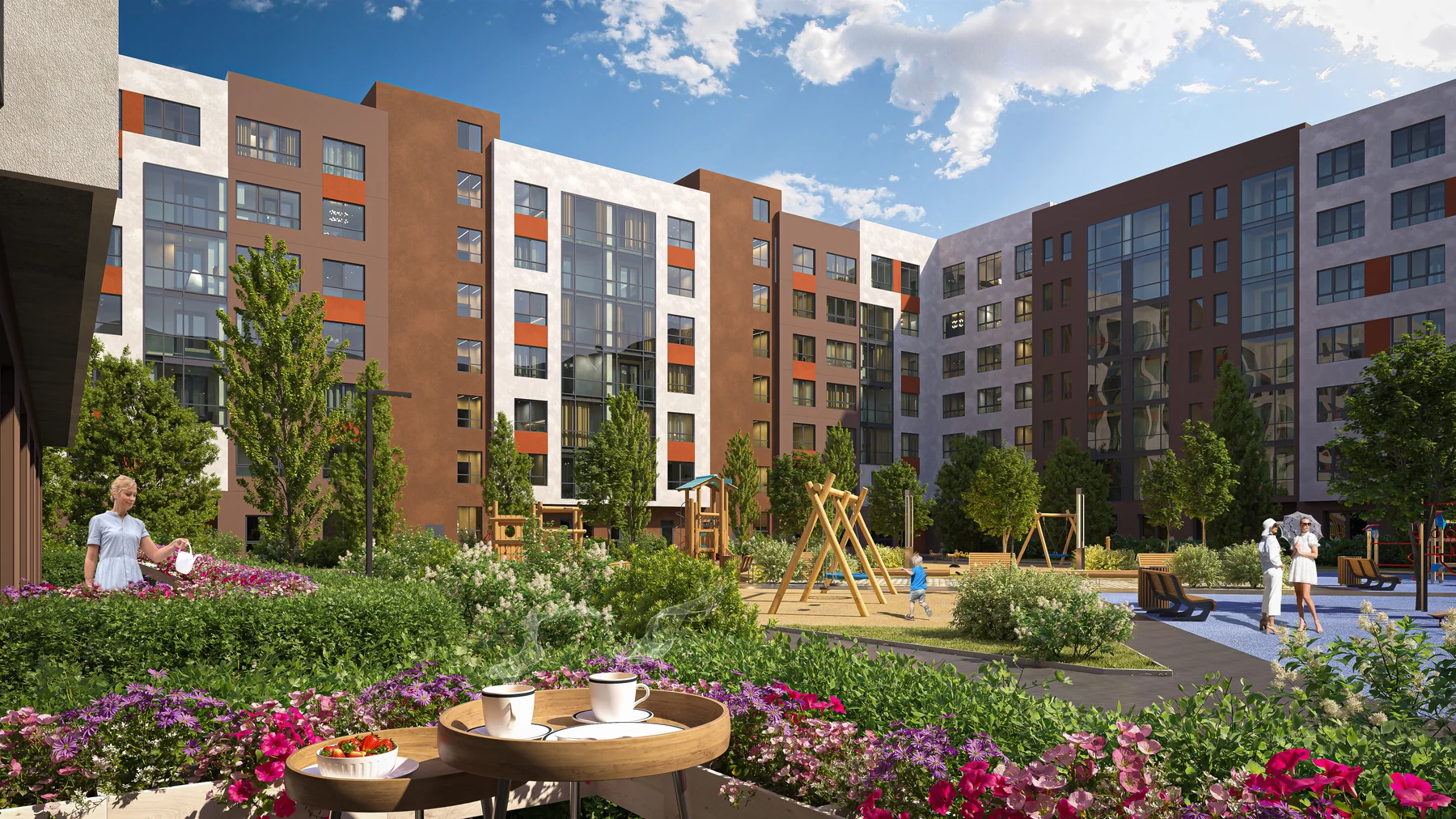
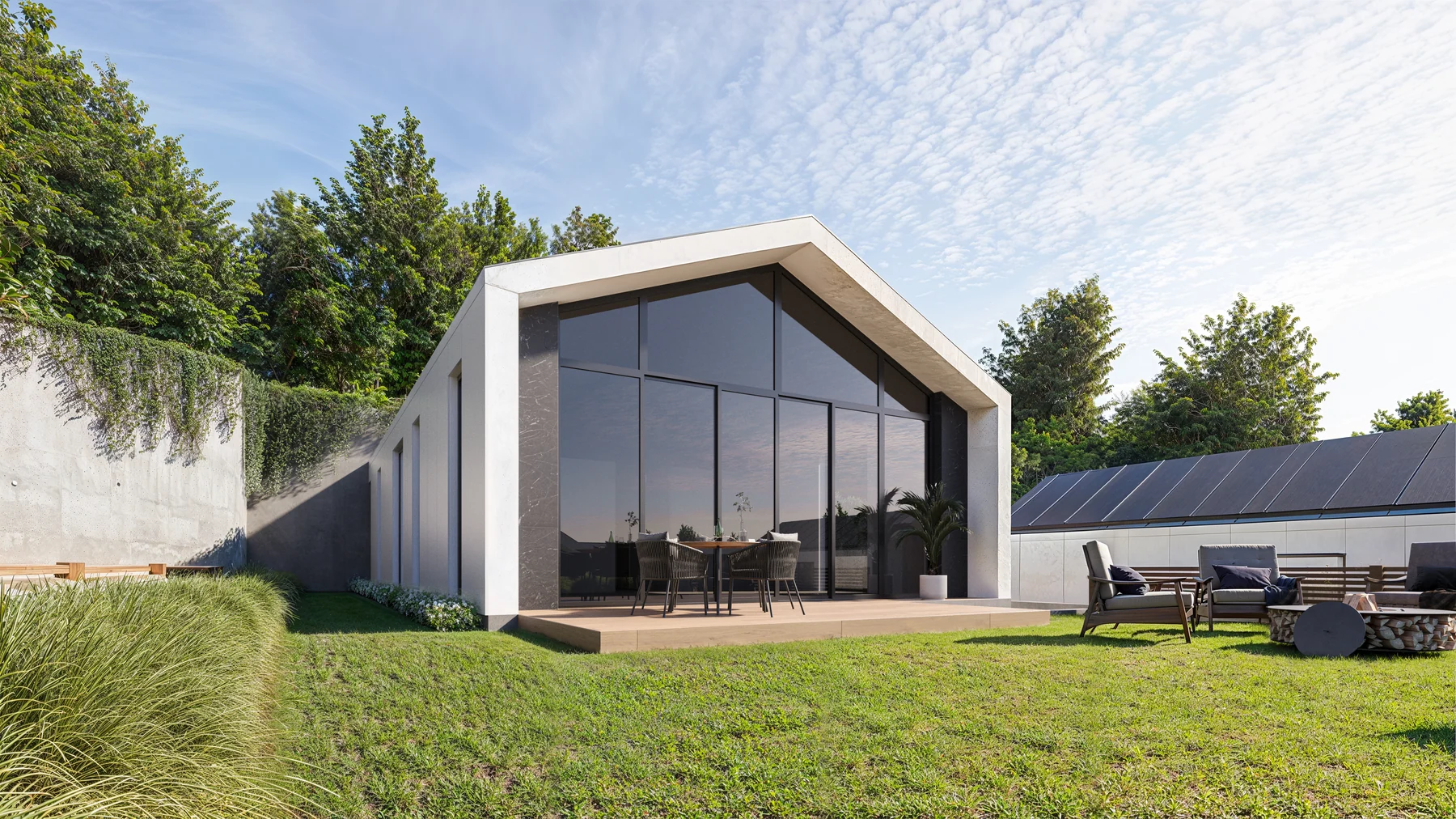
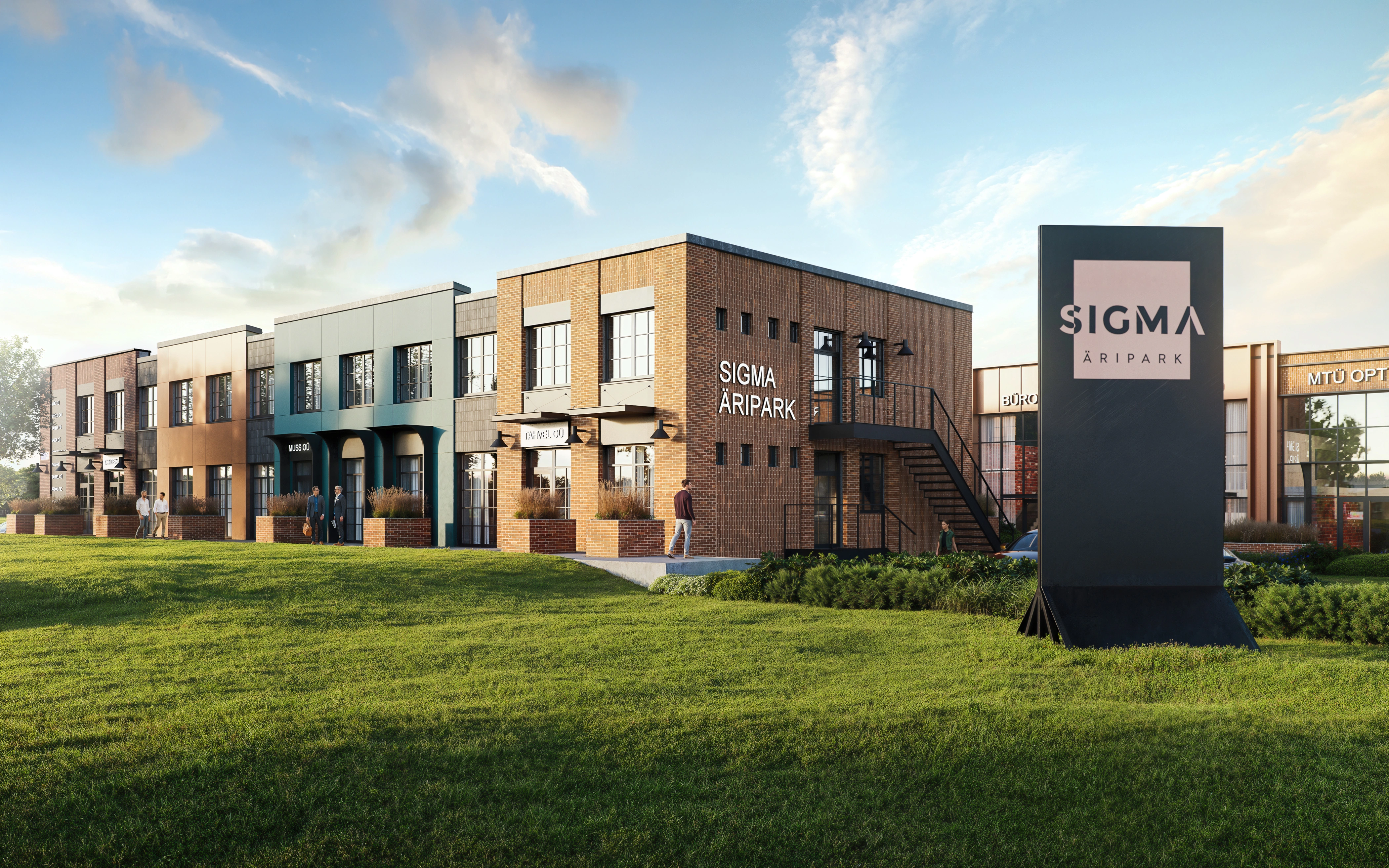
For a single hero image – the one that goes on the leasing website, the investor deck cover, the billboard – offline ray-tracing in engines like V-Ray or Corona still produces a noticeably higher ceiling of physical accuracy: how light actually bounces off a travertine facade, how glass really refracts a skyline, how fine detail holds up at full resolution and large print sizes. It takes longer per frame because it's simulating light more exhaustively rather than approximating it for speed. For anything that needs to survive being blown up on a wall or scrutinized at 100% zoom, that difference is still visible.
So which do you actually need?
In practice, most commercial projects benefit from both, at different stages:
- Early design – real-time walkthroughs to test massing, materials and camera angles quickly, without committing to a final look.
- Client and stakeholder reviews – real-time again, so questions can be answered live instead of queued up for the next render batch.
- Final marketing stills – offline rendering, for the handful of hero images that need to hold up at full resolution in a brochure, a magazine spread, or a building-wrap.
- Social and web content – either, depending on whether it's a still or a moving sequence, and how much time is in the schedule.
The mistake we see most often is treating this as an either/or decision made once at the start of a project. The better brief is simply: tell your studio what the image needs to survive – a phone screen, a print run, a boardroom presentation – and let that decide the pipeline, frame by frame.