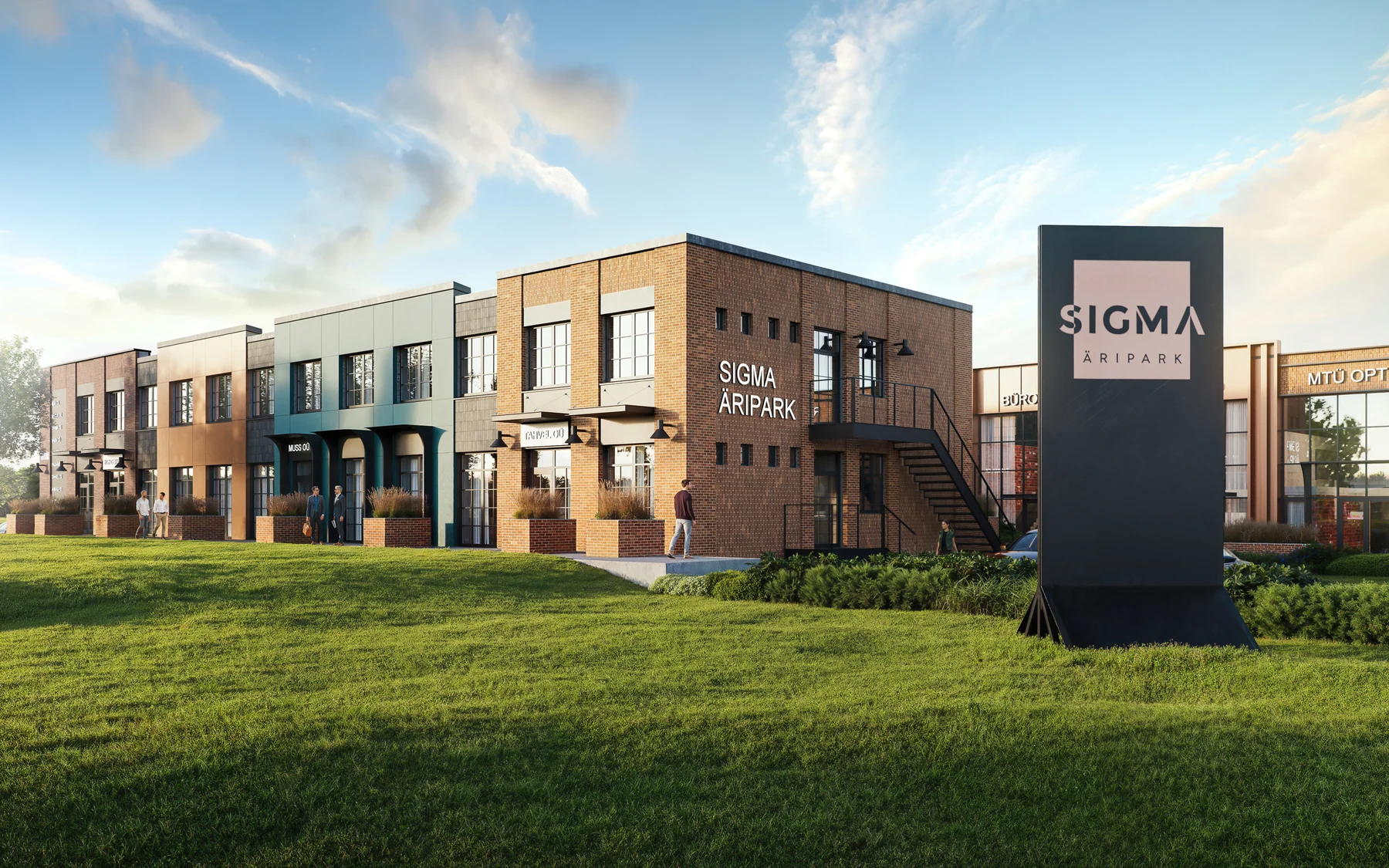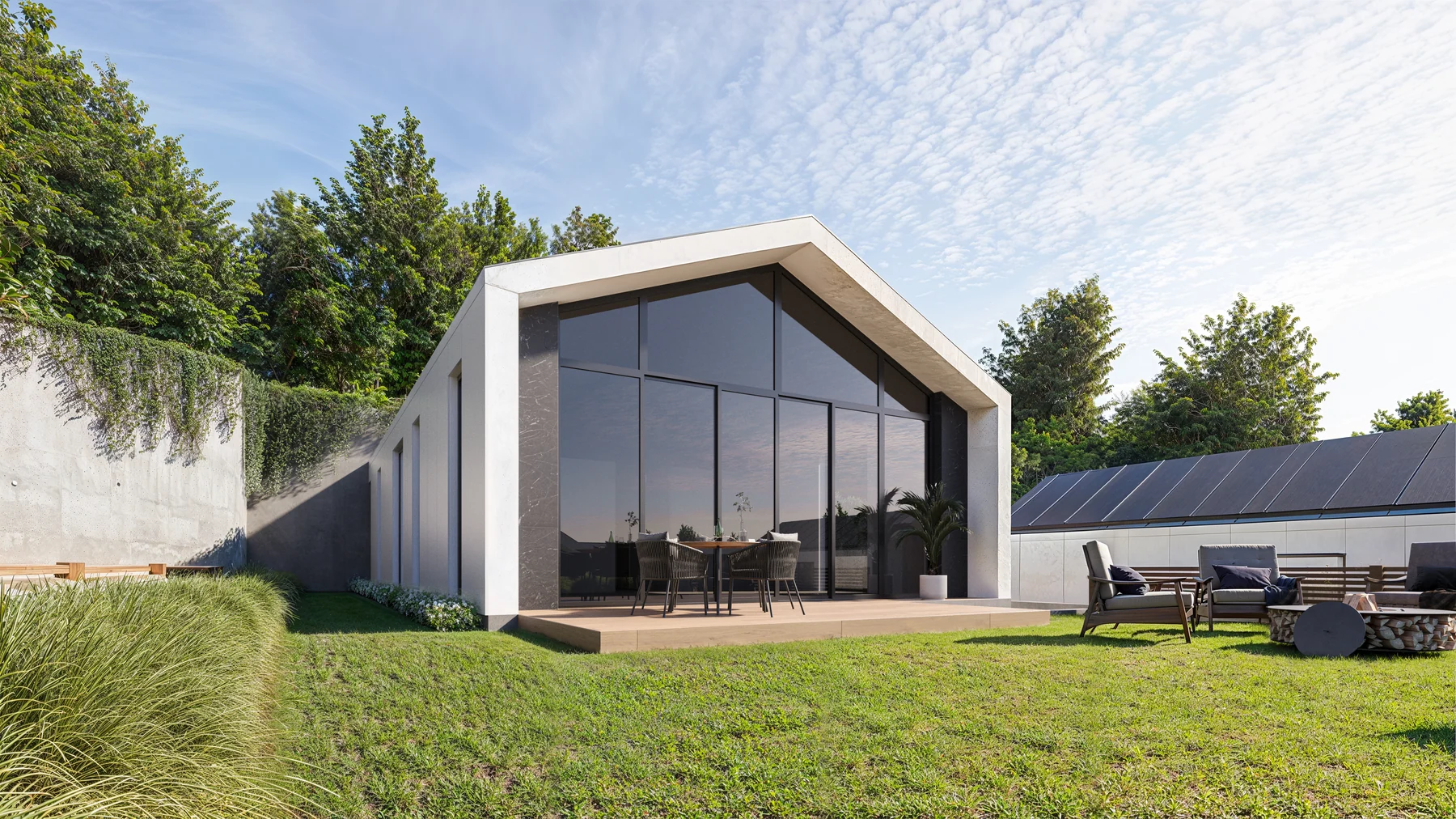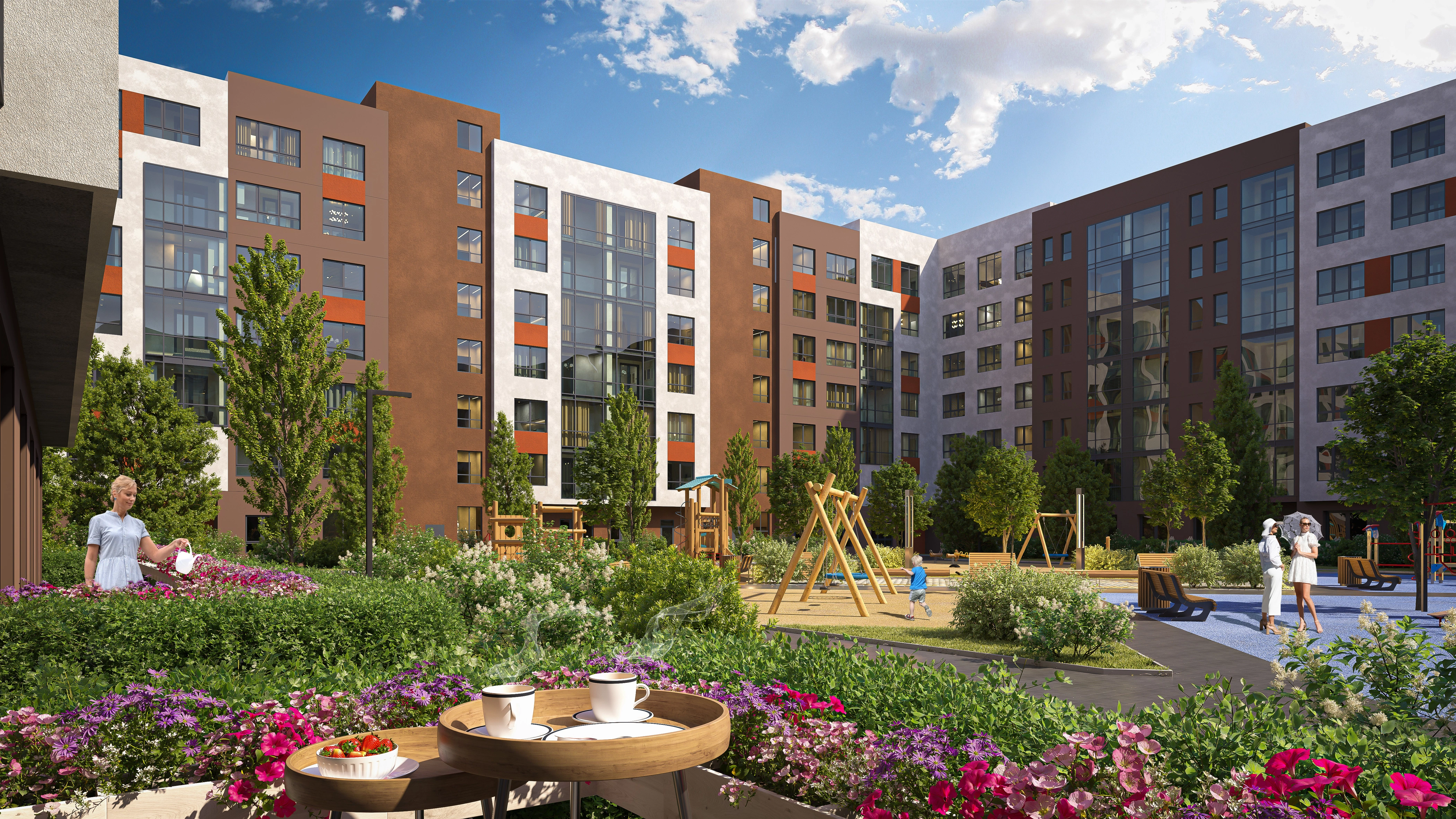
Every January someone publishes a "trends to watch" list for architectural visualization, and every January most of it is the same three predictions in a different order. 2026 has been a genuinely busier year than most for the industry, so it's worth separating what's actually changed on the ground from what's still mostly a conference-slide idea.
Real-time rendering has stopped being optional
The clearest shift this year is how routine real-time engines have become in day-to-day review work. Recent industry surveys put daily or near-daily real-time use among designers well above half, and adoption has grown sharply since 2023 as GPU hardware and engines like Unreal Engine, D5 Render and Enscape have matured. That doesn't mean the final marketing still is rendered live in a client meeting – offline ray-traced rendering still sets the quality ceiling for anything going into a leasing brochure or investor deck. But the *review* stage – walking a client through material and lighting options – has largely moved to real time, because nobody wants to wait overnight for a lighting tweak anymore.
AI is doing the boring parts, not the creative ones
The most useful description we've seen of AI's actual role this year is as a tool for removing friction – letting a team explore lighting and material directions almost instantly, while the judgment calls about what actually looks right and buildable stay with a human artist. That matches what we see in our own pipeline: AI-assisted tools are genuinely good at generating quick variations and cleaning up geometry, and genuinely bad at knowing when a render has stopped looking like the actual building.
Perfect is out, lived-in is in
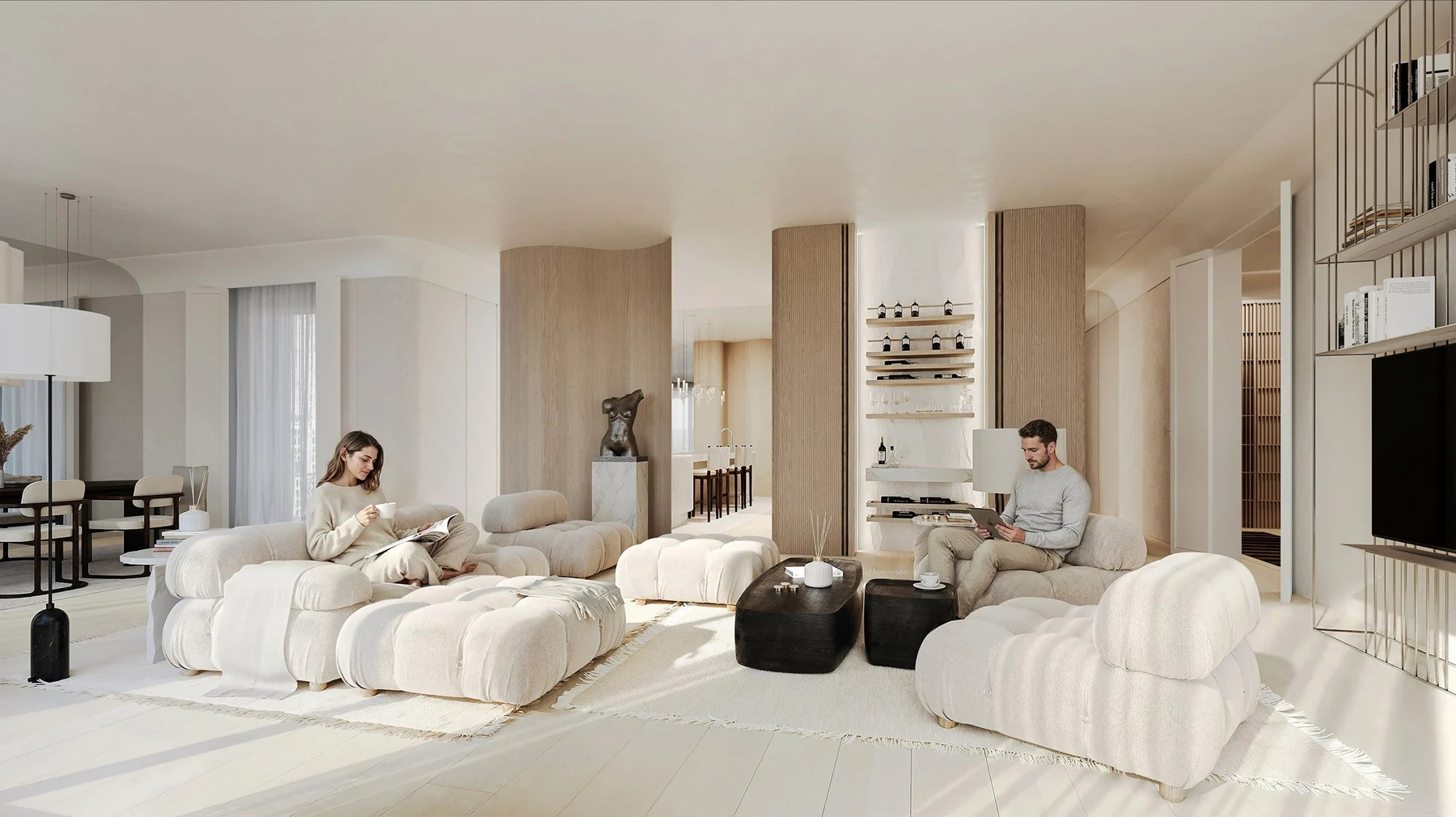
Maybe the most interesting shift isn't technical at all. For years, the goal of a "good" render was flawless: every surface immaculate, every angle optimized. This year, the strongest work in the industry has leaned the other way – a throw blanket on a sofa, condensation on a window, someone mid-conversation on a terrace. The reasoning is simple: buyers and tenants respond to a space that looks lived in, not a showroom. It reads as a photograph rather than a computer-generated image, and that credibility is worth more than technical polish.
Animation is no longer a luxury line item
Short-form animation and motion content have become dramatically cheaper to produce than they were even two years ago, and clients are increasingly asking for a clip alongside – or instead of – a set of stills, especially for anything destined for social or a leasing campaign. Still images remain the backbone of formal approvals and print marketing, but if your rendering partner can't turn around a 15-second arrival sequence, that's worth asking about.
What this means if you're commissioning renders
You don't need to chase every trend on this list. But it's worth asking any studio you're evaluating three questions: can they show you material and camera options interactively before committing to a final render, do their "photorealistic" stills include the small human details that make a space feel real, and can they produce a short motion piece from the same scene without starting over. Those three answers will tell you more about a studio's 2026 pipeline than any showreel will.