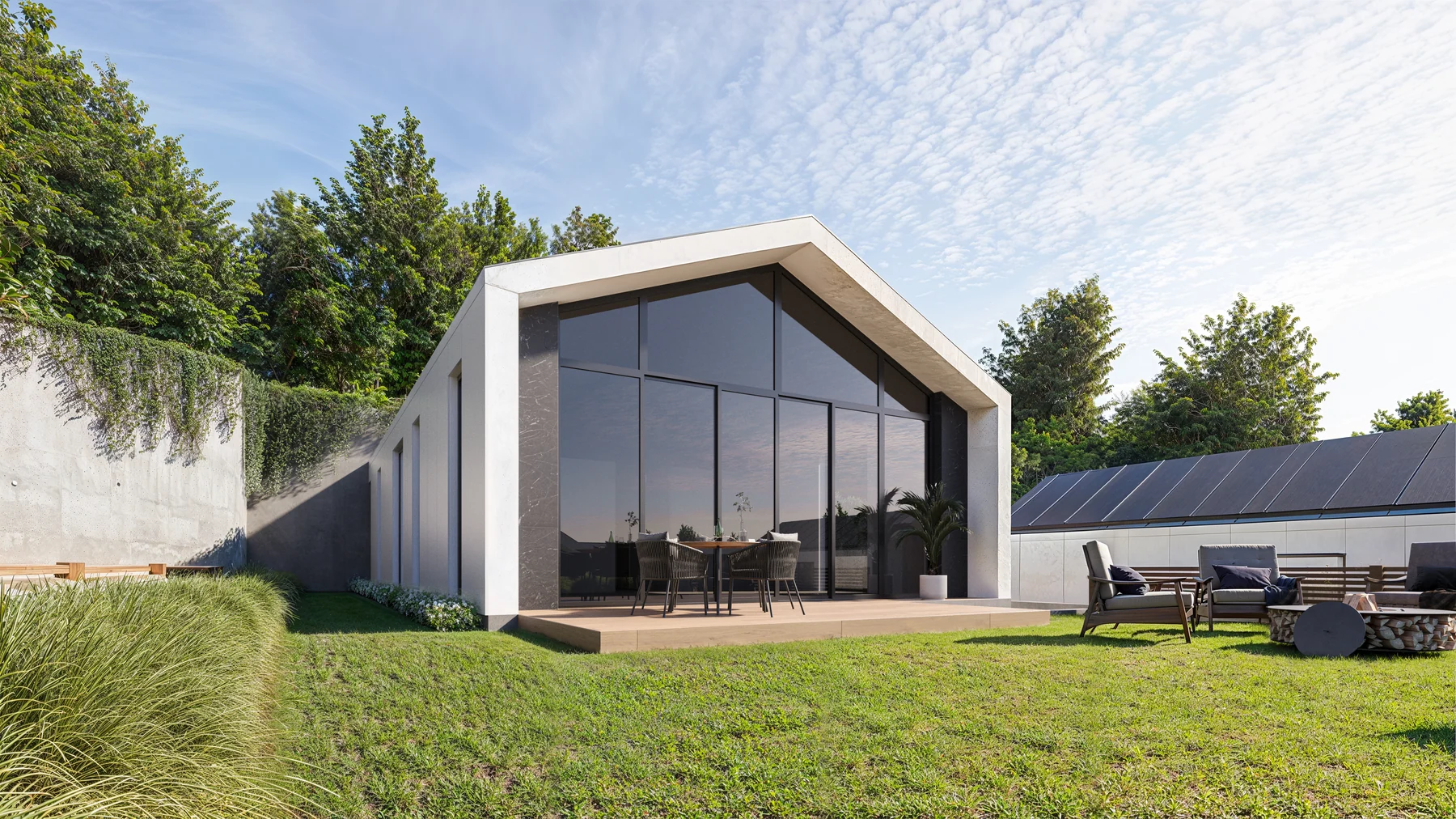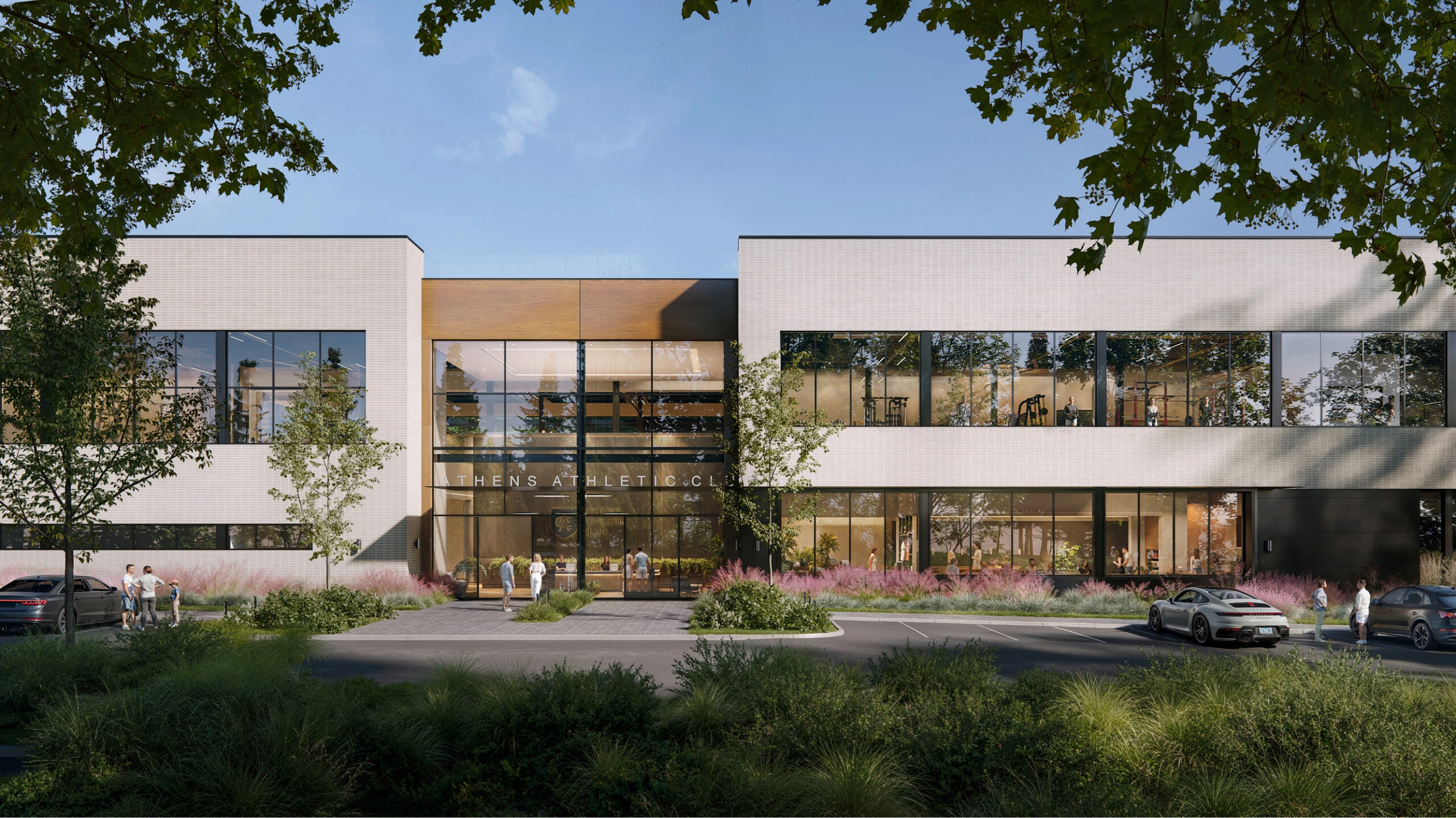
Most of the delays and frustrations we see on rendering projects trace back to the same root cause: an incomplete brief at the start. Not a bad brief – usually just an incomplete one, missing a detail that only surfaces two revision rounds in, at which point fixing it costs far more time than it would have on day one. Here's what actually belongs in a first message to a studio.
Start with source files, not descriptions
"A modern office building, glass facade, maybe five or six storeys" is a starting conversation, not a brief. Whatever precise source material exists – CAD drawings, a BIM model, Revit files, even a detailed massing study – should go over first. A studio working from an actual model catches proportion and scale issues before they become expensive; a studio working from a text description is essentially guessing at the parts you didn't specify, and guesses need correcting later.
Say what the image is actually for
A render for a planning submission, a render for a leasing website, and a render for an investor deck are three different jobs, even if the building is identical. Planning submissions often need a more neutral, documentary treatment; leasing marketing benefits from lifestyle staging and golden-hour light; investor decks usually want to communicate scale and context more than mood. Telling your studio the destination up front shapes composition, lighting, and staging decisions from the first draft, instead of after a "this doesn't feel right for our audience" note on round two.
Bring references, even rough ones
"Something like this, but for our building" is one of the most useful sentences you can send a rendering studio. It doesn't need to be architecturally similar – a reference can be about light quality, mood, color palette, or composition from a completely different building type. Photography references work as well as other renders. The goal is closing the gap between what's in your head and what a stranger can infer from a floor plan.
Decide who gives feedback before the first draft arrives
Multiple stakeholders giving separate, sometimes contradictory feedback on different rounds is the single most common cause of a project running long. Nominating one point of contact to consolidate feedback – even if several people are weighing in internally – keeps revisions focused and prevents a studio from making a change in round two that gets reversed in round three.
What a good brief buys you
None of this is about making more work for the client – it's about spending the effort once, early, instead of spread across several expensive revision rounds. A studio with a precise model, a clear destination for the image, a visual reference, and a single feedback channel can usually deliver a strong first draft. A studio without those things delivers a reasonable guess, and reasonable guesses are what revision rounds are for.